About Guess Who's Coming to Dinner
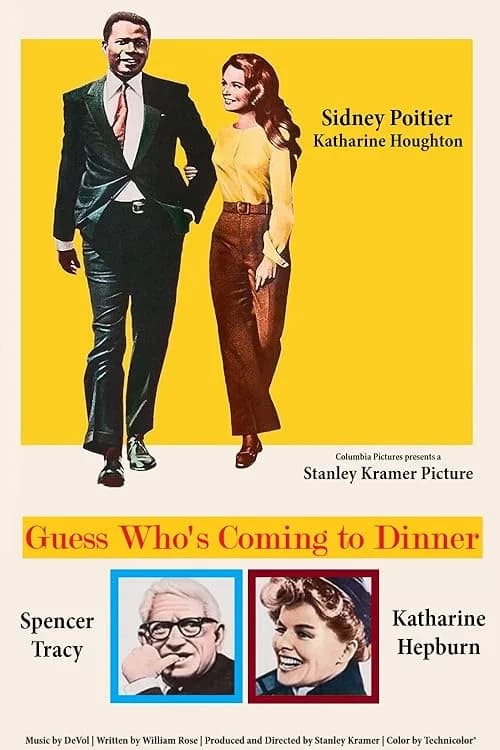
Stanley Kramer's 1967 classic 'Guess Who's Coming to Dinner' remains a landmark film in American cinema, deftly blending comedy and drama to tackle the then-taboo subject of interracial marriage. The plot centers on Joanna Drayton (Katharine Houghton), who brings her brilliant, accomplished Black fiancé, Dr. John Prentice (Sidney Poitier), home to meet her liberal parents (Spencer Tracy and Katharine Hepburn). The couple's self-proclaimed progressive ideals are put to the ultimate test in a single, tense evening. The film masterfully explores the gap between intellectual principles and emotional reality, all within the confines of a San Francisco home.
The performances are nothing short of legendary. Spencer Tracy, in his final film role, delivers a poignant and powerful monologue that anchors the film's moral heart. Katharine Hepburn won her second Academy Award for her portrayal of the conflicted mother, and Sidney Poitier brings immense dignity and intelligence to a role that could have been merely symbolic. Stanley Kramer's direction is sharp and purposeful, using the dinner premise to create escalating tension and genuine humor.
Viewers should watch 'Guess Who's Coming to Dinner' not only for its historical significance as a film released mere months before the repeal of anti-miscegenation laws but for its enduring humanity. The questions it raises about love, prejudice, and generational change are as relevant today as they were in 1967. It's a beautifully acted, thoughtfully written drama that challenges audiences while offering warmth and wit. This is essential viewing for anyone interested in classic Hollywood storytelling at its most socially conscious.
The performances are nothing short of legendary. Spencer Tracy, in his final film role, delivers a poignant and powerful monologue that anchors the film's moral heart. Katharine Hepburn won her second Academy Award for her portrayal of the conflicted mother, and Sidney Poitier brings immense dignity and intelligence to a role that could have been merely symbolic. Stanley Kramer's direction is sharp and purposeful, using the dinner premise to create escalating tension and genuine humor.
Viewers should watch 'Guess Who's Coming to Dinner' not only for its historical significance as a film released mere months before the repeal of anti-miscegenation laws but for its enduring humanity. The questions it raises about love, prejudice, and generational change are as relevant today as they were in 1967. It's a beautifully acted, thoughtfully written drama that challenges audiences while offering warmth and wit. This is essential viewing for anyone interested in classic Hollywood storytelling at its most socially conscious.